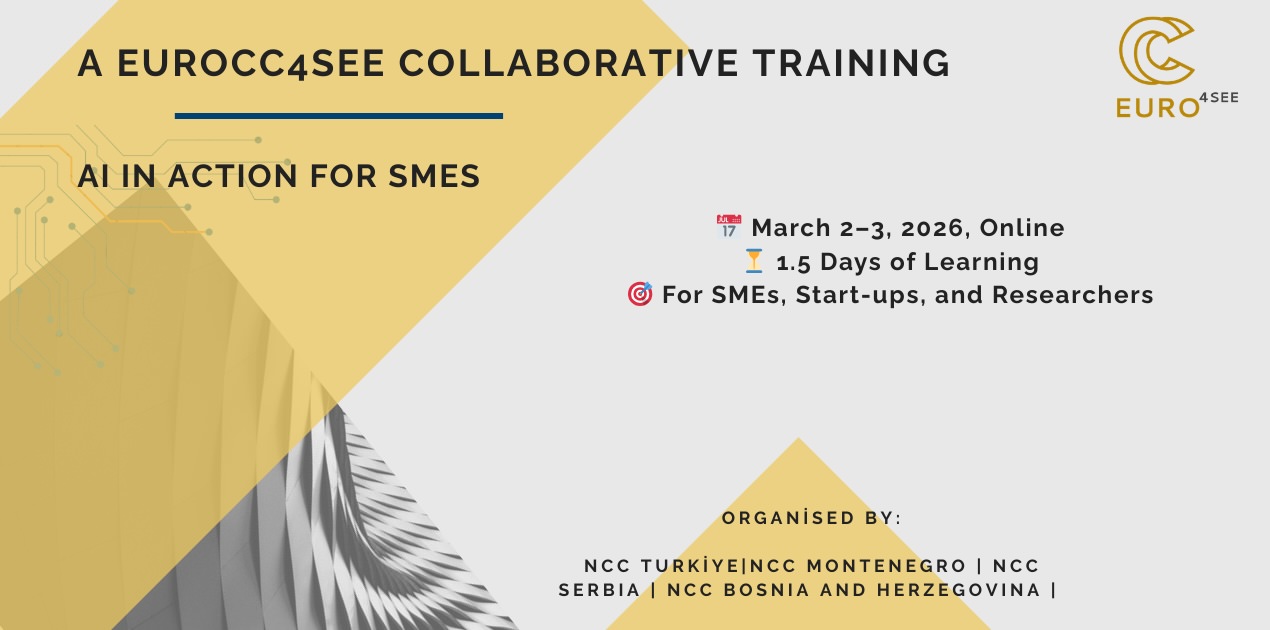
In collaboration with NCC Montenegro, NCC Bosnia and Herzegovina, and NCC Türkiye, HPC Serbia successfully organized the 1.5-day online training event AI in Action for SMEs on 2–3 March 2026 as part of the EuroCC4SEE initiative. The event supported SMEs, start-ups, and researchers in adopting practical AI solutions, featuring real-world applications such as Time Series Forecasting, Explainable AI, and Data Anonymization, combined with hands-on HPC demonstrations. Training materials will be made available online soon.
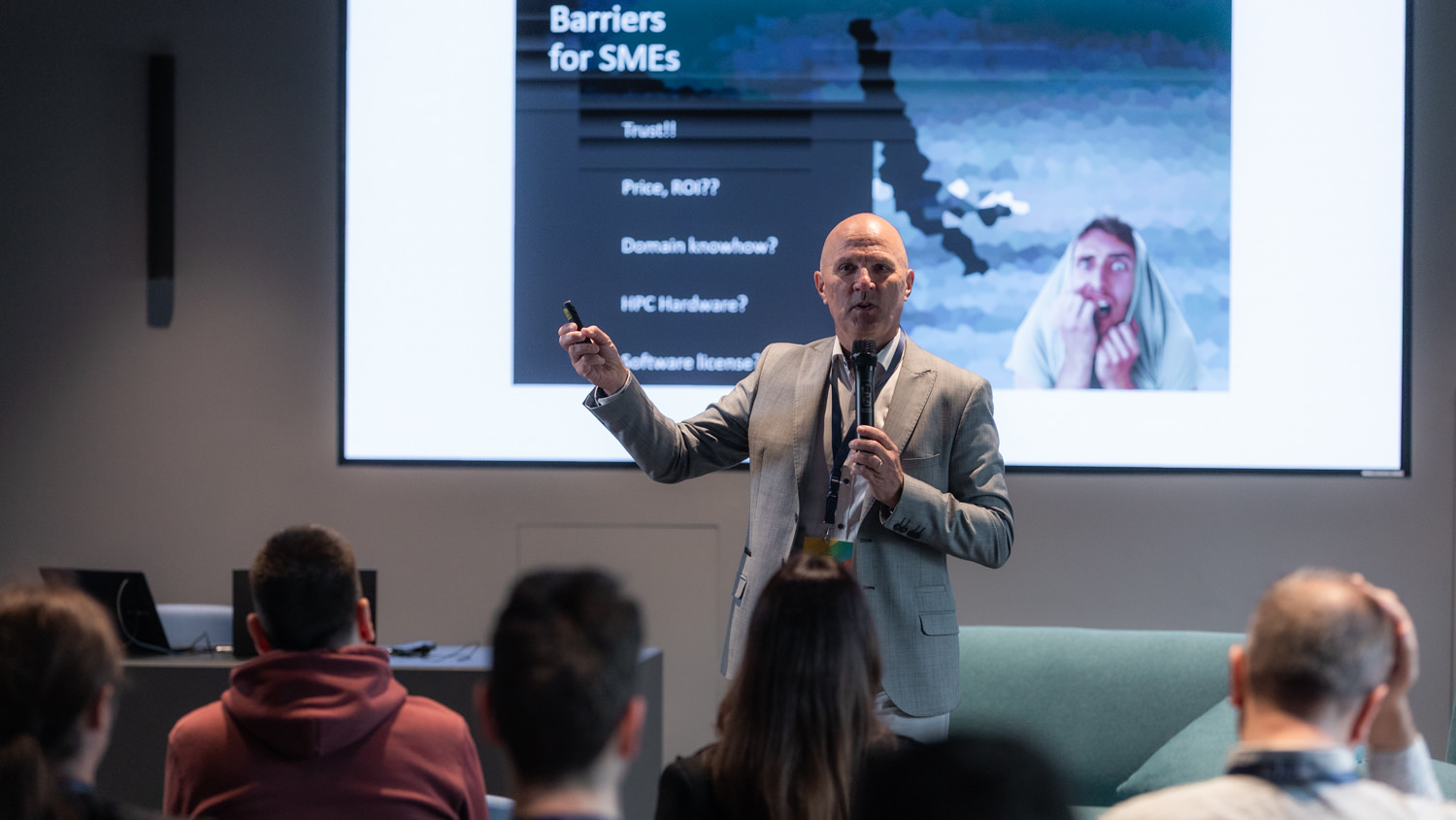
Dark Demand for HPC
Tomi Ilijaš, CEO and founder of the Slovenian company Arctur, is a longtime advocate for the use of High-Performance Computing (HPC) in industry. He focuses on helping companies recognize and unlock the often-overlooked potential of digital innovation. In this short interview, Tomi shares insights into why SMEs struggle to identify their need for HPC and how to bridge that gap.
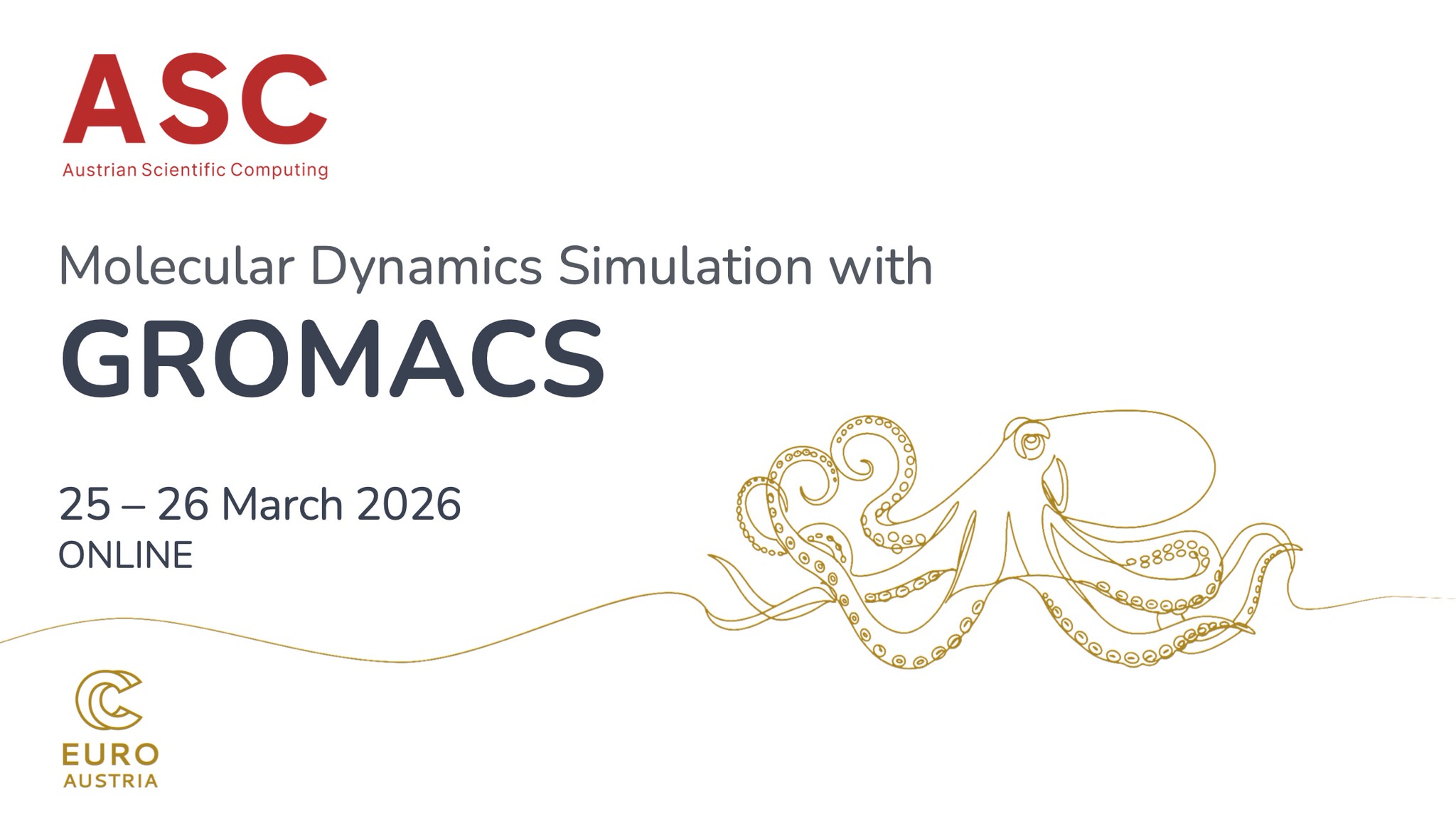
Molecular Dynamics Simulation with GROMACS
An online course on GROMACS for High-Performance Computing (HPC) will be organized by the Austrian Scientific Computing and EuroCC Austria on 25 and 26 March 2026. While the course focuses on core concepts and workflows, GROMACS is widely used in areas such as protein structure modeling and folding, biomolecular dynamics, membrane simulations, and computer-aided drug design.
Supercomputing in Europe Podcast
This episode’s guest is Bastian Koller, who is the Managing Director at the High-Performance Computing Center Stuttgart (HLRS) and the coordinator of the EuroCC 2 project, among others. The conversation explores the role of the EuroCC national competence center in the growing and diverse European HPC and AI ecosystem, addressing questions such as: what is a national competence center (NCC)? How does it differ from a Centre of Excellence (CoE), AI Factory, or European Digital Innovation Hub (EDIH)? What will be the NCC's role moving forward?
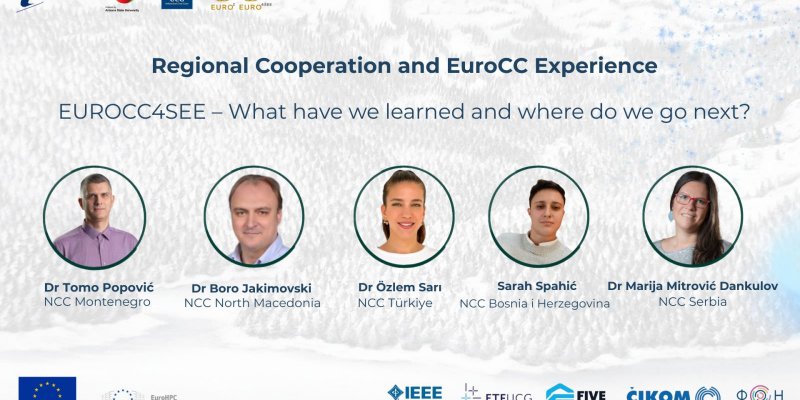
At the IT2026 Conference organized from 24 to 28 February in Žabljak, Montenegro, representatives of the National Competence Centers (NCCs) from Serbia, Montenegro, Bosnia and Herzegovina, North Macedonia, and Türkiye gathered for a joint session titled EuroCC4SEE – What Have We Learned an...
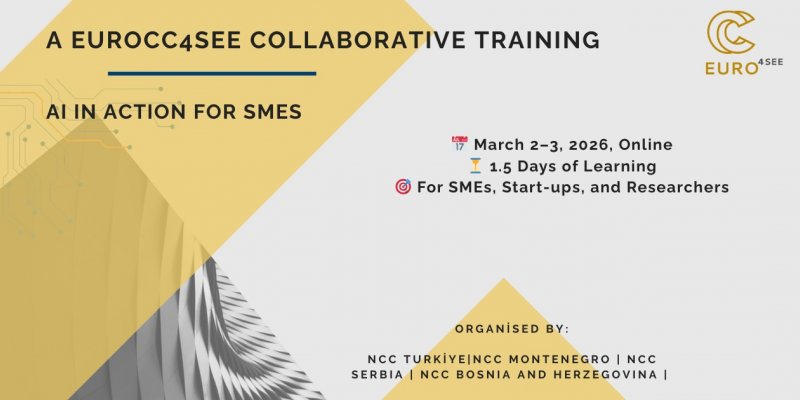
In collaboration with NCC Montenegro, NCC Bosnia and Herzegovina, and NCC Türkiye, we are pleased to announce a 1.5-day online training event, AI in Action for SMEs, taking place on 2–3 March 2026. The training is designed to support SMEs, start-ups, and researchers in adopting practical Art...

The New Booklet Success Stories features inspiring examples of how National Competence Centers and Centers of Excellence across Europe are leveraging supercomputing to tackle complex challenges and drive innovation. Success stories span several focal areas of HPC use: atmospheric and environmental...

The new HPC in Europe Portal, launched this fall, serves as the gateway to Europe's supercomputing ecosystem. It consolidates EU-funded high-performance computing resources, services, and expertise into a single platform, enhancing accessibility and connectivity in supercomputing.
The Portal aims to enhance visibility, accessibility, and engagement within Europe's HPC community. It promotes information sharing and collaboration by bringing together Success Stories, Use Cases, Training courses, Events, Codes, Best Practices, Expert support and consultancy, and Specialized HPC software.
"This portal will make Europe's HPC knowledge, services, and training more accessible than ever", said Anders Jensen, Executive Director of the EuroHPC Joint Undertaking. "It will empower users of all levels to engage with Europe’s growing supercomputing ecosystem".
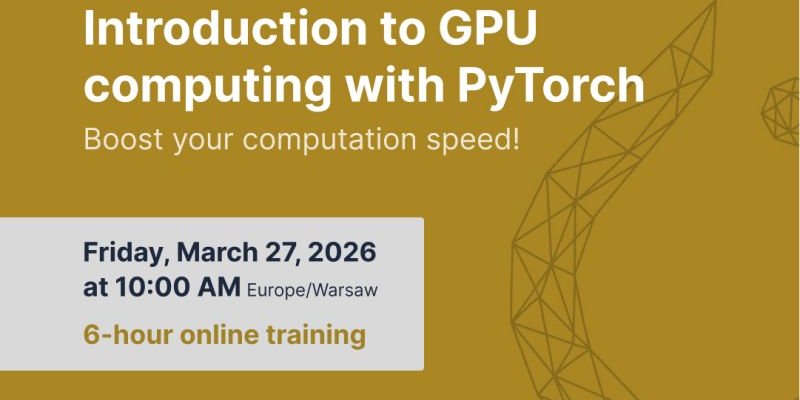
An online training on GPU computing with PyTorch will be organized by the Academic Computer Centre Cyfronet AGH and the National Centre for Nuclear Research as part of the EuroCC2 project on 27 March 2026. This training is intended for users who would like to accelerate their Python numeri...

An online course on GROMACS for High-Performance Computing (HPC) will be organized by the Austrian Scientific Computing and EuroCC Austria on 25 and 26 March 2026. While the course focuses on core concepts and workflows, GROMACS is widely used in areas such as protein structure modeling and...

An online course, Foundations of LLM Mastery: Prompt Engineering Essentials, will be organized by the AI Factory Austria (AI:AT) and Austrian Scientific Computing (ASC) on 17 March 2026. As AI systems grow in complexity, the art of crafting effective prompts is increasingly important. Prompt e...
CodeRefinery Workshop on Coding Tools and Techniques for Reproducible Research will be organized by the EuroCC National Competence Center Sweden (ENCCS) in-person and online. The workshop runs on 17–19 March and 24–26 March 2026, offering three consecutive days each week to maximize learning...
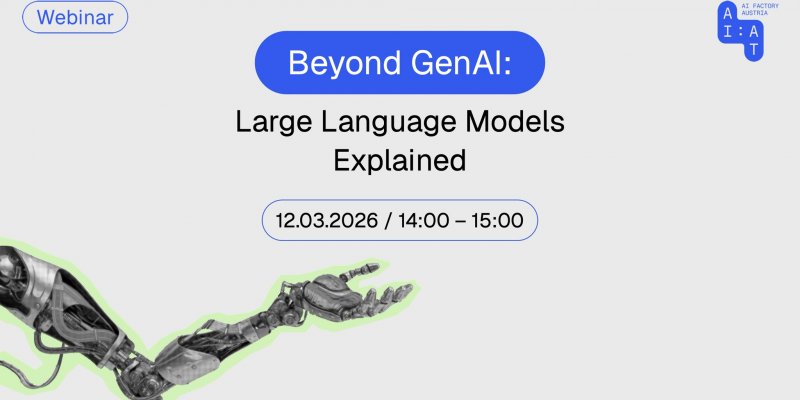
An online seminar on large language models will be organized by AI Factory Austria AI:AT on 12 March 2026. This webinar will dig deeper into the main pillar of GenAI tools, such as ChatGPT, Mistral, or Gemini, called Large Language Models (LLMs): what they are, how they work, and why they...

A new session on modern Fortran programming for CPU architectures will be part of the Gray Scott Thursdays webinar series, scheduled for 12 March 2026.
Although often perceived as a legacy language, Fortran has evolved significantly since the introduction of Fortran 90, incorporating modern...
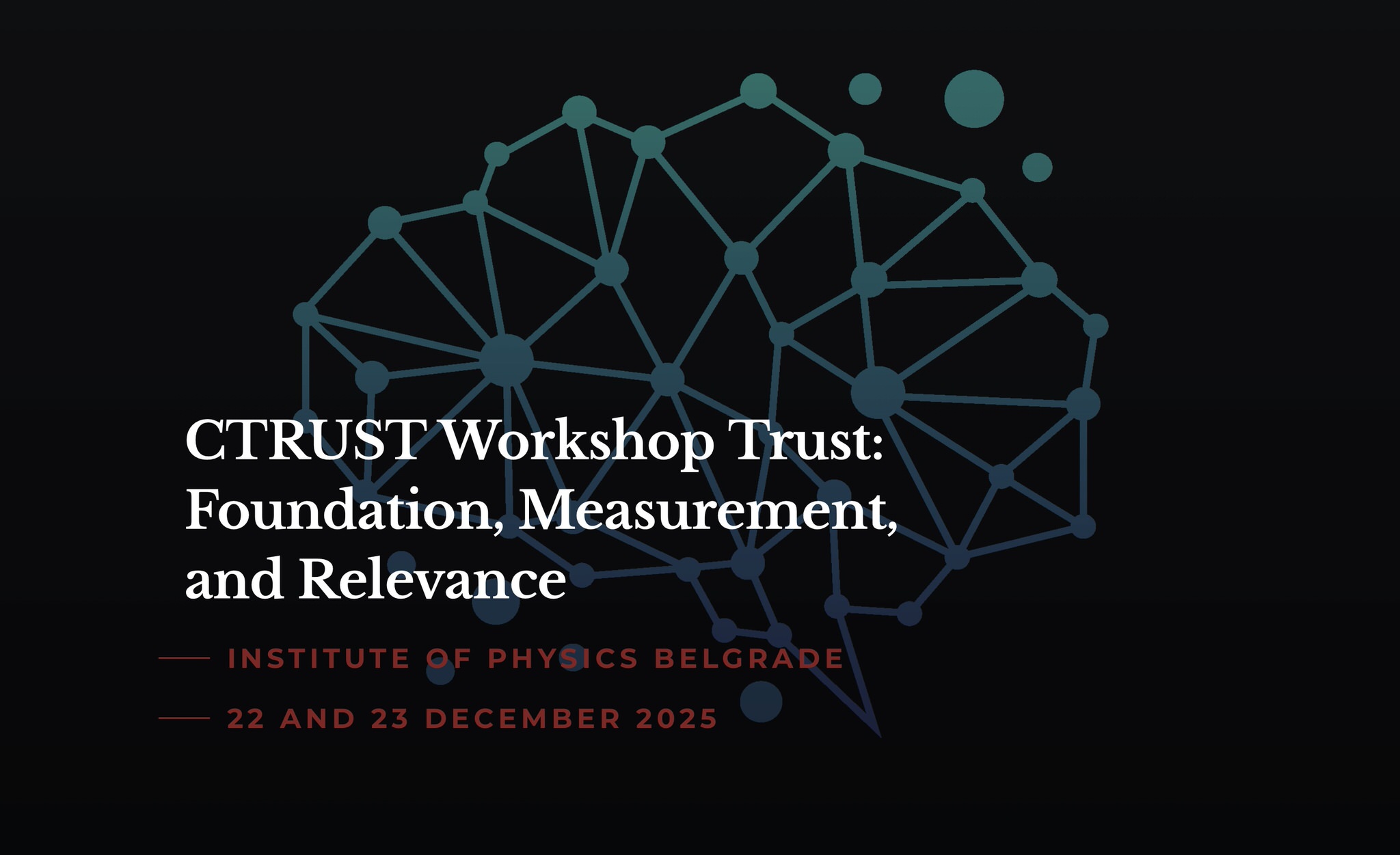
The CTRUST Workshop Trust: Foundations, Measurement, and Relevance, held in December 2025 at the Institute of Physics Belgrade, brought together researchers from physics, computer science, social sciences, psychology, and artificial intelligence to discuss interdisciplinary approaches to the study of collective trust in online and social systems. The workshop was a two-day hybrid event organized by the CTRUST project, together with HPC Serbia.

As part of our mission to strengthen the adoption of high-performance computing, high-performance data analysis, and artificial intelligence across society, HPC Serbia has established several collaborations with public sector institutions in Serbia. These partnerships aim to support the development...

The startup Moveo, founded by Vladimir Jeftović, is developing simultaneously in two directions: in the field of healthcare, as well as advanced AI analytics and optimization tools. In the medical field, the company based in Serbia, develops tools for the prevention of neurological complications c...
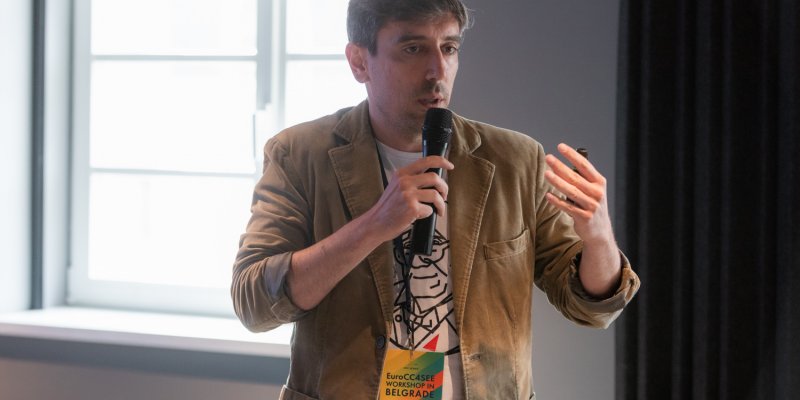
Dr. Luka Ilić, who previously worked at the Institute of Physics Belgrade, is now part of the Atmospheric Composition Group at the Barcelona Supercomputing Center (BSC), where he investigates the global movement and climate impact of desert dust using advanced high-performance computing (HPC)...
Success stories



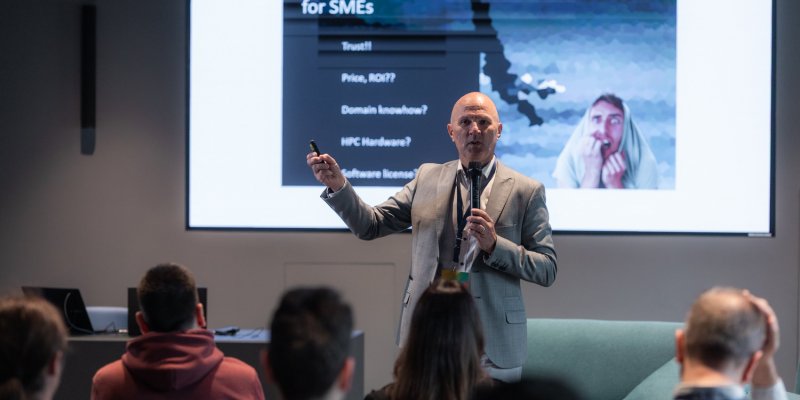
Tomi Ilijaš, CEO and founder of the Slovenian company Arctur, is a longtime advocate for the use of High-Performance Computing (HPC) in industry. He focuses on helping companies recognize and unlock the often-overlooked potential of digital innovation. In this short interview, Tomi shares insights...

In our recent conversation with Professor Miloš Cvetanović from the School of Electrical Engineering at the University of Belgrade discusses how high-performance computing (HPC) technologies are being adopted in Southeast Europe and why regional cooperation is essential for their further developme...

The Institute of Physics Belgrade (IPB) has established a long-term collaboration with Hewlett Packard Enterprise (HPE) in the design, deployment, and evolution of the PARADOX high-performance computing cluster, the national flagship supercomputing system supporting research and innovation in...
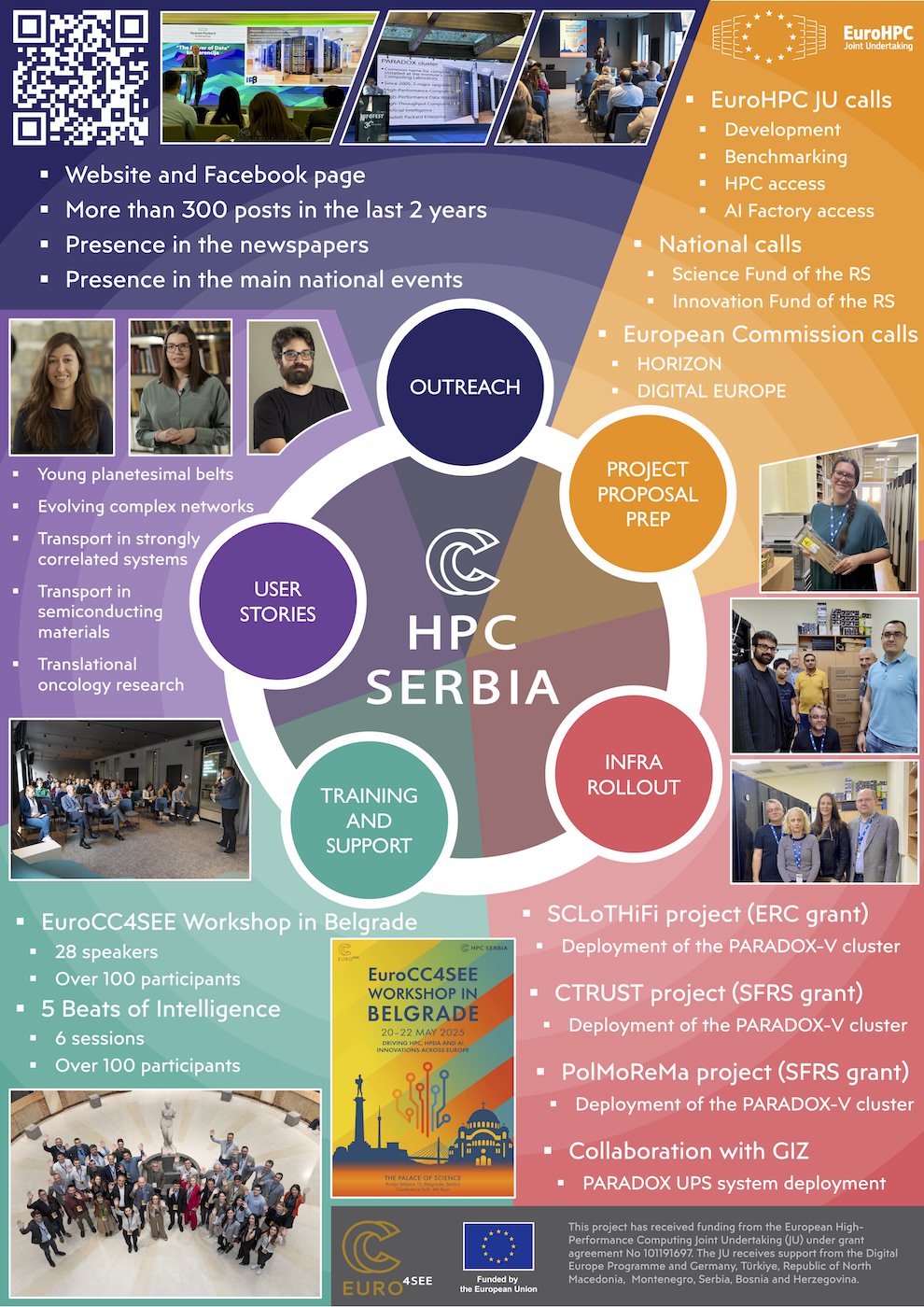
Recently, HPC Serbia participated in the all-hands meeting of the CASTIEL 2, EuroCC 2, and EuroCC4SEE projects, held from 23 to 25 September 2025, in Tallinn, Estonia. The event gathered National Competence Centers (NCCs) and Centers of Excellence (CoEs) in HPC across Europe, where participants celebrated successes, discussed obstacles, and collaborated to shape the future of HPC in Europe.
The poster sessions stood out as a highlight of the event, providing NCCs and CoEs with the opportunity to showcase their latest activities and achievements, while demonstrating how HPC fuels innovation in fields such as engineering, climate science, and healthcare. Rather than being passive displays, these sessions promoted active engagement, allowing attendees to ask questions, share feedback, and explore new collaboration opportunities.
The meeting insights emphasized that advancing sustainability in HPC relies on creating innovative funding models and forming new partnerships. Moreover, training and outreach efforts should be inclusive and accessible to engage all sectors. Both formal and informal collaborations were recognized as essential for fostering innovation, with future cooperation offering chances to leverage past successes and tackle emerging challenges.
Supercomputing in Europe Podcast